

Planning a treasure hunt for adults takes a lot of preparation but do it right and your effort will pay off. Here are some tips from the organisers at White Rhino Events on how to plan a fun treasure hunt or scavenger hunt.
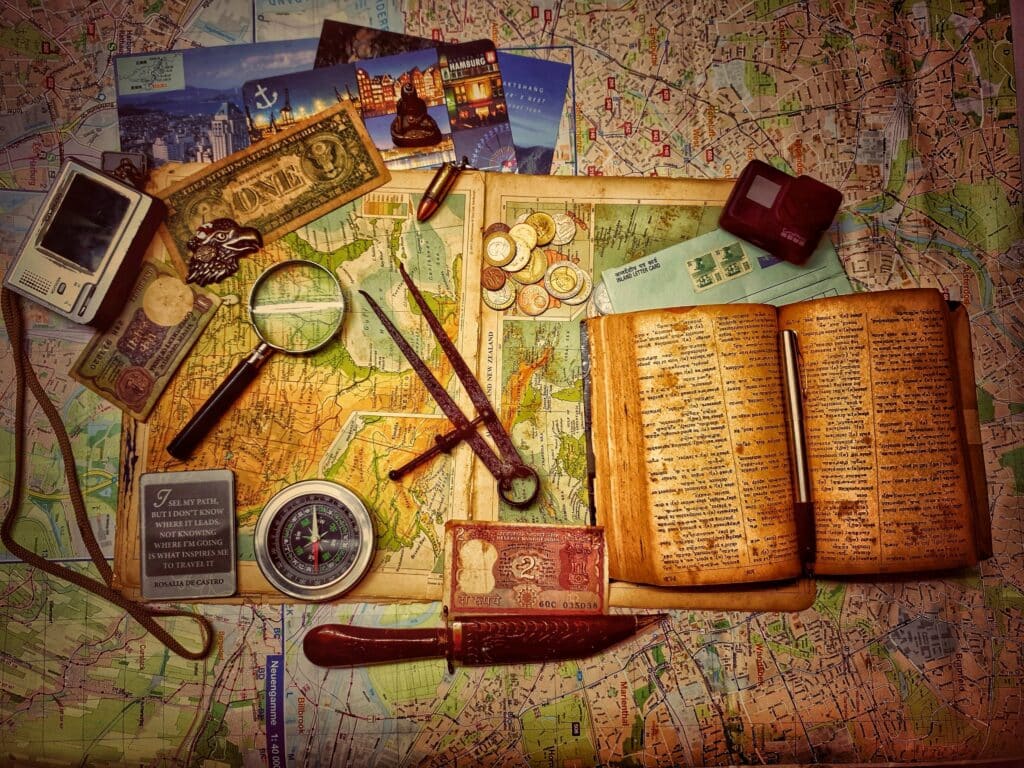
Treasure hunts and scavenger hunts are among our most popular team building activities. They build teamwork skills, team spirit and encourage colleagues to collaborate and connect. If you are planning a treasure hunt for adults, here are some ideas to get you started.
What’s the difference between a scavenger hunt and treasure hunt?
Although the terms are often used interchangeably, treasure hunts and scavenger hunts are slightly different to each other.
Traditionally, a scavenger hunt is set across a series of locations in which teams search for and gather hidden objects or perform tasks. The winner is the first team to complete the list.
A treasure hunt on the other hand is a game where each team attempts to be the first to find a hidden item following a series of hidden clues. Treasure hunts can also be run on a points system whereby each clue a team solves earns them points with the winner being the team with the most points at the end of the hunt.
How to plan a treasure hunt – Deciding a theme and location
If you are thinking about how to plan a treasure hunt, then this is a great starting point. Start planning your treasure hunt by thinking about a theme and location. Here are some suggestions:
City-based
Explore your local city or neighbourhood in a new way by organising a scavenger or treasure hunt around it. Use the city’s historical monuments and landmarks to leave clues and guide teams to reach the final prize! Teams have to work together and it’s an opportunity to learn more about where your business is based.
Christmas hunt
Instead of a secret Santa between colleagues, why not organise a fun Christmas scavenger hunt instead? Keep everything Christmas related with themed clues and Christmassy items.
Selfie Challenge
A fun and simple scavenger hunt for your team to enjoy. To complete the selfie challenge, your team will have to follow clues and take selfies that match a predetermined list. You can choose any location or base it over several days to get fun and interesting selfies.
Halloween hunt
Tailor your treasure hunt or scavenger hunt to a Halloween theme. Include design, items and clues that are relevant to Halloween and maybe even add in some classic Halloween games such as apple bobbing along the route.
Nature hunt
Plan a nature scavenger hunt in a local nature reserve, on a team hike, or in a local park or garden. Teams will have to find items from a list of clues, these can even ignite the senses, such as things they can smell or hear.
Hobbies
Create a theme around some specific hobbies and interests, or even related to your business niche. This could be based around food, film, music, or sports. Design clue cards and write clues with the theme in mind and you could even encourage dressing up.
Plan the route
When planning the route, test it out yourself first! You’ll ensure that the timings are realistic and that there are suitable places to hide all the clues. Setting a time limit is important, too, so mapping out and doing the route first will give you a realistic idea of how long it will take.
Write the clues
When writing the clues, keep the theme in mind to help you come up with something fun. Remember you want the teams to find the items on their lists, but you don’t want to make it too easy for them! Consider using riddles, poems, or puzzles to reveal the next location.
Inviting participants
Schedule the treasure hunt well in advance to give participants time to prepare. We suggest sending invites at least two weeks before the event.
Make sure everyone knows to dress appropriately or if they should dress up for a theme, and mention any items they should bring, especially footwear, or cameras and phones if needed.
Prize ideas
Prizes can be anything participants will appreciate. Cinema tickets, merchandise, subscriptions, gift cards, or even a custom trophy or certificate. From our experience, teams tend to prefer something they can use, spend, or eat!
White Rhino Team Building Activities
Here are a few examples of some of the scavenger hunts and corporate treasure hunts we organise for team building exercises.
Urban Explorer Treasure Hunt
Explore a city of your choice and discover it from a new perspective! Teams must work together to locate city hotspots, answer questions, complete tasks, and earn points. No two Urban Explorer events are the same as you can choose different destinations each time.
Spy School: Field Craft Treasure Hunt
A secret agent-inspired challenge, teams will need to tap into their spy mentality to succeed. First, teams will have to hone their spy skills, before completing a range of missions to find out who killed Agent Kelly. Using an interactive map, teams will need to find the right locations to activate challenges. These include photo and video challenges designed to get team members working together.
Browse our team building treasure hunts for more ideas or get in touch and tell us about your plans for a corporate treasure hunt.